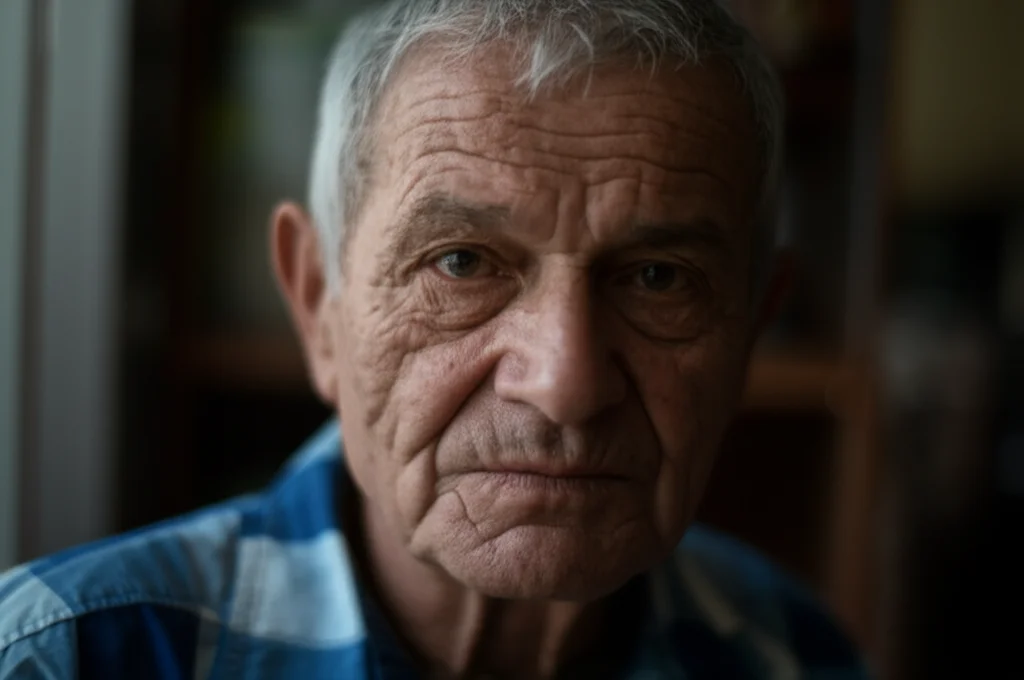
Unpacking the Links: How Disability and Vulnerability Impact Elder Abuse
Hey there! Let’s talk about something really important, something that touches so many lives as we get older. We’re living longer, which is fantastic, right? But with more years comes the potential for more challenges. Think about it – our bodies and minds aren’t quite as spry as they used to be. This can lead to things like disability and feeling a bit more vulnerable. And sadly, for some, these challenges can open the door to a really tough issue: elder abuse.
I stumbled upon a fascinating study that dug into this very topic in Jiroft County, down in southern Iran. It aimed to figure out just how much disability and vulnerability older folks there were experiencing, and crucially, how those factors tied into the risk of elder abuse. It’s a cross-sectional study, which basically means they looked at a snapshot in time for a group of older adults.
The Aging Landscape and Its Challenges
So, first off, the world is getting older. Like, *really* older. We’re seeing more and more folks hitting their golden years thanks to longer lifespans and fewer babies being born. This is a global trend, and it brings with it some significant public health considerations. As we age, it’s pretty common for our bodies to start showing some wear and tear. This can manifest as disability – needing help with daily stuff, finding it harder to get around, or struggling with communication. The study defines disability pretty broadly, covering everything from physical limitations to difficulties interacting socially or managing daily life.
It’s not just physical, though. Aging can also bring on what researchers call “vulnerability syndrome.” This sounds a bit scary, but it’s essentially a decline in our body’s reserves, making us more susceptible to stress and illness. Think weakness, fatigue, maybe some unintentional weight loss. People who are vulnerable are more likely to face tough times – more hospital visits, falls, and a general decline in their independence. Both disability and vulnerability can be linked to things like chronic conditions (heart issues, diabetes, etc.) and other age-related syndromes. Interestingly, factors like age itself, gender, education level, and whether someone is married or not seem to play a role in how much disability and vulnerability someone might experience.
The Shadow of Elder Abuse
Now, here’s where things get heavy. Disability and vulnerability, as tough as they are on their own, can unfortunately make older adults more susceptible to abuse. Elder abuse isn’t just physical harm; it can be psychological, financial, neglect, or even just taking away someone’s independence. It’s a global problem, and it’s often hidden away, happening behind closed doors, sometimes by the very people who are supposed to be providing care. The World Health Organization calls it any act, or lack of action, that causes harm or distress to an older person and messes with their quality of life. It’s a complex issue, touching on family dynamics, health, and even human rights. Estimates suggest a significant percentage of older adults face some form of abuse. The consequences are heartbreaking – depression, higher risk of hospitalization, and even increased mortality.
Given the growing number of older adults and the linked issues of disability and vulnerability, understanding how these factors connect to abuse is super important. Most studies look at these things separately, but this research wanted to see how disability and vulnerability *together* might influence elder abuse levels.

Diving into the Jiroft Study
So, the researchers in Jiroft County decided to take a closer look. They gathered data from 385 older adults living in the area. They used standard questionnaires to measure disability, vulnerability, and elder abuse. They made sure to include folks aged 60 and over (the WHO definition for older adults in developing countries) who could communicate and were willing to participate. They specifically excluded anyone with known cognitive disorders, which makes sense because that could affect how they answered the questions. They used a multi-stage sampling method to try and get a good mix of people from different parts of the county.
What the Numbers Show
Alright, let’s get to the findings. The study participants, on average, were around 68 years old. A little over half were women, most were married, and a good chunk reported having primary education and low financial adequacy.
Here’s the lowdown on the scores they found (these are average scores out of the maximum possible on the questionnaires):
* Disability severity: 98.34 out of 144. The questionnaire scoring meant a *higher* score indicates *less* disability. So, 98.34 out of 144 falls into the *moderate* disability category.
* Vulnerability: 9.75 out of 15. This score indicated a *high* level of vulnerability among the participants.
* Elder Abuse: 12.01 out of 49. This score indicated a *low* level of elder abuse.
So, in this group, they found moderate disability, high vulnerability, and surprisingly, a low level of reported elder abuse.
The Connections
Now for the really interesting part – how these things relate. The study found a *statistically significant positive correlation* between elder abuse and both disability severity and vulnerability. What does that mean in plain English? It means that as the severity of disability went up, the level of elder abuse tended to go up too. Same goes for vulnerability – higher vulnerability was linked to higher elder abuse. The correlations were pretty strong (r = 0.821 for disability and 0.795 for vulnerability), suggesting a notable relationship.
Predicting the Risk
They didn’t stop there. They used a statistical method called multiple linear regression to see which *specific* parts of disability and vulnerability were the strongest predictors of elder abuse. And guess what? Lots of them popped up as significant predictors.
For disability, the components that predicted elder abuse included difficulties with:
* Performing daily activities
* Self-care
* Walking
* Understanding and communication
* Lack of self-employment (or ability to work)
* Interacting with others
* Participating in social activities
For vulnerability, all three dimensions were predictors:
* Physical vulnerability
* Psychological vulnerability
* Social vulnerability
Basically, if an older adult struggled more in these specific areas, they were more likely to experience elder abuse according to this study’s model. The model was quite good at explaining the variation in elder abuse scores, too, accounting for 83% (for disability components) and 79% (for vulnerability components) of the changes. That’s a pretty strong explanatory power!

Digging Deeper into the Demographics
The study also looked at how demographic factors played a role. They found that disability severity, vulnerability, and elder abuse levels varied based on things like age, gender, marital status, education, and financial situation.
* Age: Disability, vulnerability, and elder abuse all tended to *increase* with age. Makes sense, right? The older you get, the more likely you are to face these challenges.
* Gender: Disability and vulnerability scores were higher among older men compared to women in this study. (Interestingly, the elder abuse score didn’t significantly differ by gender in their analysis, though some other studies might find differences).
* Marital Status: Divorced individuals had higher scores for disability, vulnerability, and elder abuse compared to others. This highlights the importance of a support system.
* Education Level: Illiterate individuals showed higher scores across the board – disability, vulnerability, and elder abuse. Education often links to resources and awareness.
* Financial Adequacy: Those reporting a lack of financial adequacy had higher scores for disability, vulnerability, and elder abuse. Financial stress is a huge factor, both for the older adult and potentially for caregivers.
Comparing Notes (Discussion Highlights)
So, how do these findings stack up against other research? The moderate level of disability found here is a bit different from some other studies in Iran and elsewhere, which have reported varying levels from low to high. This inconsistency might be due to differences in the groups studied or the specific tools used to measure disability. Disability is complex and influenced by many things, including healthcare systems and population demographics.
The high level of vulnerability found in Jiroft aligns with some other studies in Iran. However, prevalence rates vary widely across different regions and countries, likely influenced by economic conditions, lifestyle, and access to healthcare. Vulnerability is a big deal because it increases the risk of bad outcomes and costs healthcare systems more. It’s closely linked to disability and chronic illness.
Now, the *low* level of elder abuse reported in this study is quite different from many other studies in Iran, which have often reported high prevalence. The researchers suggest this might be due to the strong cultural emphasis on respecting older adults in southern Iran. They also point out that collecting accurate data on elder abuse is tricky everywhere, and definitions and tools vary. Despite the low *overall* score, the study notes that many older adults likely experience *some* form of mistreatment in at least one area. They emphasize that while traditions are strong, increasing life pressures on families could still lead to abuse, highlighting the need for prevention.

Why This Matters e What We Can Do
The big takeaway here is clear: disability and vulnerability aren’t just health issues; they are significant risk factors for elder abuse. As these challenges increase for older adults, their risk of experiencing mistreatment goes up.
This study really underscores the need for action. The researchers recommend:
- Supportive Policies: We need policies that protect and empower older adults.
- Empowering Self-Care: Helping older adults maintain their independence and ability to care for themselves is crucial.
- Psychological and Social Support: Paying attention to the mental well-being and social connections of older adults is vital.
- Suitable Living Environments: Creating safe and supportive places for older adults to live, involving everyone from family to local authorities.
Beyond that, they call for greater awareness about elder abuse, revising laws and policies to strengthen protections, and implementing intervention measures. This could involve specialized teams to check on vulnerable older adults, community programs, screening for abuse risk, and promoting more research. It’s a multi-pronged effort involving healthcare professionals, legal experts, and the community at large. Ignoring elder abuse has serious negative consequences for society.
A Note on Limitations
Like any study, this one had its limits. It was a snapshot in time (cross-sectional), so we can’t definitively say that disability and vulnerability *cause* elder abuse, only that they are strongly linked and predictive in this context. Also, it was conducted in one specific area, so we need to be careful about generalizing these exact findings everywhere. Future studies that follow people over time (longitudinal) or use a mix of methods (qualitative and quantitative) could provide even deeper insights.
Still, the findings are powerful. They highlight the interconnectedness of aging challenges and the critical need to support older adults, especially those facing disability and vulnerability, to protect them from abuse and ensure they can live with dignity.
Source: Springer