
Can We Safely Dose Furosemide for Teens with Heart Failure? An Adult Model Shines a Light!
Hey everyone! Ever stop to think about how tricky it can be to get medication doses just right, especially for younger folks or those with complex conditions? Today, I want to dive into a really interesting piece of research that’s trying to make life a bit easier for adolescents dealing with heart failure and volume overload. We’re talking about a common diuretic, furosemide, and a new way to give it.
The Challenge: Heart Failure in Young People
So, heart failure (HF) isn’t just an adult problem; it affects kids and teens too, and it’s a serious business. We’re talking about 0.97 to 7.4 cases per 100,000 children, leading to thousands of hospitalizations each year in the USA alone. And get this – kids with HF often face higher mortality and use more healthcare resources than adults with the same condition. One of the big symptoms doctors tackle is congestion due to volume overload – basically, the body holding onto too much fluid. Loop diuretics, like our friend furosemide, are a cornerstone of treatment here, helping to get rid of that excess fluid.
Traditionally, furosemide is given intravenously (IV) or intramuscularly in kids, with doses based on body weight. But, you know, data on using diuretics in children with HF is a bit limited, and lots of things can affect how well these meds work or what dose is needed. There’s a real need for better options, especially for kids with congenital heart disease that surgery can’t fully fix.
A New Approach: Subcutaneous Furosemide with an On-Body Infusor
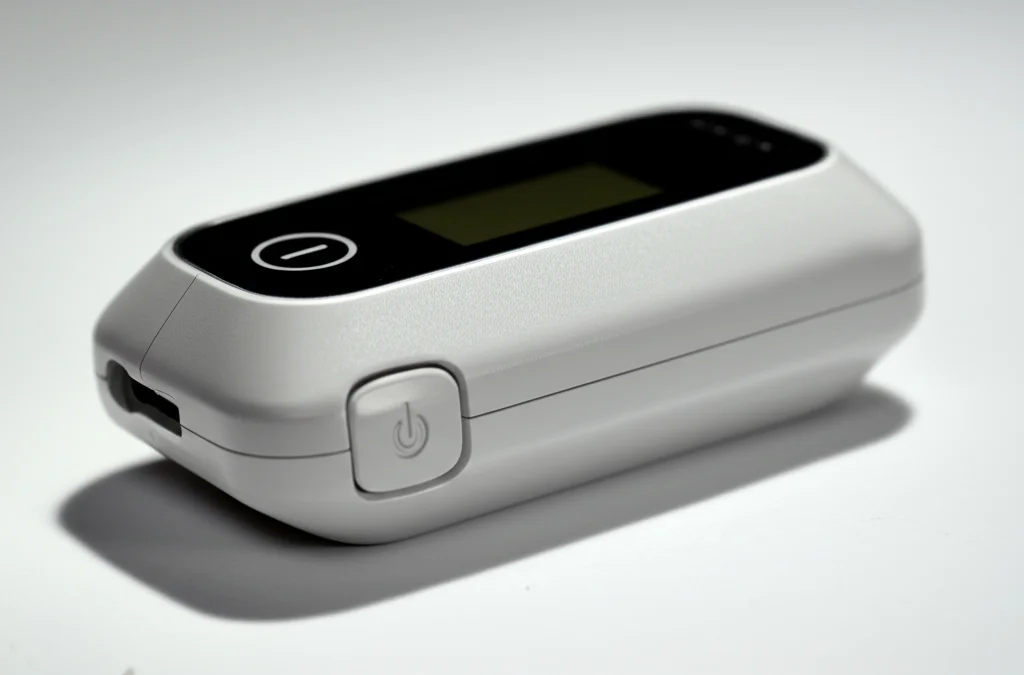
Now, here’s where things get innovative! There’s a novel formulation of furosemide called Furoscix®, designed for subcutaneous (just under the skin) administration. It’s buffered to a pH of 7.4 and given using a wearable On-Body Infusor. How cool is that? In adults with chronic HF, an 80 mg dose (30 mg over the first hour, then 12.5 mg/h for the next 4 hours) has been shown to be well-tolerated, with almost 100% bioavailability compared to IV furosemide. It’s also helped with weight loss and improved symptoms like breathlessness.
Given this promising profile, the big question became: could this subcutaneous furosemide be a good option for adolescents (ages 12-17) with HF and volume overload? And if so, what’s the right dose?
The Study’s Goal: Predicting Furosemide Exposure in Teens
That’s exactly what this study aimed to figure out. The researchers wanted to predict how much furosemide adolescents would be exposed to if they received this subcutaneous dose. Their strategy was clever: first, develop a robust population pharmacokinetic (popPK) model using data from adults, and then use that model to simulate what would happen in teens.
A popPK model, by the way, is a mathematical way to describe how a drug is absorbed, distributed, metabolized, and excreted in a population, and how that can vary between individuals. It’s like creating a detailed drug behavior profile!

The adult data came from a study (NCT02329834) involving 15 adults with chronic HF. These folks received furosemide either intravenously or subcutaneously. Lots of blood samples were taken to measure furosemide concentrations over time.
Building the Adult Furosemide Model
The researchers crunched the numbers and found that a two-compartment model with first-order absorption (for the subcutaneous route) and first-order elimination best described furosemide’s pharmacokinetics. This is pretty consistent with what we’ve seen before for furosemide. They also looked at various “covariates” – things like age, sex, weight, kidney function (eGFR) – to see if they influenced how the drug behaved. In the final adult model, eGFR was found to be a significant covariate affecting how quickly furosemide is cleared from the body (elimination CL).
The estimated bioavailability of subcutaneous furosemide in this adult model was a whopping 0.96 (or 96%), which is excellent and lines up with previous findings.
Scaling the Model for Adolescents
Okay, so we have this solid adult model. How do we make it relevant for teens aged 12-17 years, weighing at least 42.5 kg? (That weight minimum is important because of the On-Body Infusor and the typical 1 mg/kg starting dose for IV furosemide in kids). This is where allometric scaling comes into play. It’s a well-established method to adjust pharmacokinetic parameters, especially clearance (CL) and volume of distribution (V), based on body weight. Think of it as adjusting a recipe for a smaller or larger group. For CL, they used a standard exponent of 0.75 with body weight, and for volume parameters, it was a linear scale. Since drug maturation processes are generally complete by adolescence, an age-based maturation function wasn’t needed – body weight was the key.
Simulating Furosemide Doses in Virtual Teens
With the scaled model ready, the researchers created 1000 “virtual adolescents” in three weight groups:
- 42.5−50.0 kg
- > 50−60 kg
- > 60−70 kg
They then simulated giving these virtual teens the fixed 80 mg subcutaneous furosemide dose: 30 mg over the first hour, followed by 12.5 mg/h for the next 4 hours. They looked at key pharmacokinetic parameters like the maximum plasma concentration (Cmax) and the total drug exposure over 24 hours (AUC0–24).
What Did the Simulations Reveal?
The results were quite insightful! As you might expect, the simulated furosemide exposure (both AUC0–24 and Cmax) was highest in the lightest group of adolescents and decreased as body weight increased. Here’s a quick look:
- Adolescents 42.5−50.0 kg: Mean AUC0–24 was 16,800 µg⋅h/L; Cmax was 2590 µg/L.
- Adolescents > 50−60 kg: Mean AUC0–24 was 14,700 µg⋅h/L; Cmax was 2240 µg/L.
- Adolescents > 60−70 kg: Mean AUC0–24 was 13,000 µg⋅h/L; Cmax was 1960 µg/L.
For comparison, the typical exposure in a 70-kg adult receiving the same dose was an AUC0–24 of 12,400 µg⋅h/L and a Cmax of 1900 µg/L. So, the heaviest adolescent group had exposures very similar to adults. The middle group (>50-60 kg) had exposures within 20% of adult values. The lightest group (42.5-50 kg) had exposures that were more than 20% greater than adults, which is logical given the fixed dose and smaller body size.
Importantly, these simulated furosemide exposures in adolescents were consistent with published values, including those from studies in children who received IV furosemide. The estimated furosemide clearance in these virtual adolescents was 1.55 mL/min/kg, which is generally within the range reported for newborns, though it’s on the lower side compared to some studies in older children with specific conditions like nephrotic syndrome. This lower clearance was somewhat expected because the model was based on adults with HF, who tend to clear furosemide slower than healthy individuals.
The Takeaway: A Potential Dosing Regimen for Teens
So, what’s the bottom line? Based on these simulations, the researchers concluded that a fixed 80-mg dose of subcutaneous furosemide (administered as 30 mg over the first hour, then 12.5 mg/h for the subsequent 4 hours) appears to be appropriate for adolescents aged 12−17 years with a body weight of ≥ 42.5 kg who have heart failure and volume overload.
The exposures seen in the simulations, even in the lightest teens, fell within ranges previously reported for furosemide, suggesting this fixed dose could be both effective and manageable.

Important Considerations and Future Steps
Now, it’s crucial to remember that this study used simulations based on an adult model scaled to adolescents. While this is a powerful and well-accepted scientific tool, it’s not a substitute for a prospective clinical study conducted directly in adolescents. The simulations provide a “typical” picture and didn’t include inter-individual variability (IIV) for the pediatric predictions. Also, the adult model was based on a relatively small number of patients, and certain factors, like albumin levels (which can affect furosemide binding), weren’t evaluated as covariates.
So, while these findings are super encouraging and support the potential use of this fixed subcutaneous furosemide dose in teens, definitive quantification of its pharmacokinetics in this age group will require dedicated clinical investigations. But hey, this modeling work is a fantastic starting point! It provides a strong rationale for future studies and could pave the way for a more convenient and effective treatment option for adolescents struggling with heart failure.
It’s pretty amazing how mathematical modeling can help us make more informed decisions in medicine, isn’t it? This kind of work is vital for bridging knowledge gaps, especially when it comes to pediatric populations where conducting trials can be more challenging.
Source: Springer